The Power of Your Body
Why choose H2T Skin and Laser Center for skin tightening?
H2T Skin and Laser Center utilizes innovative technologies to combat the signs of aging and restore a firmer, more youthful appearance. Our skin tightening procedures using the Venus MP2 address skin laxity and promote collagen production, the building block of healthy skin, resulting in tighter, smoother, and more radiant skin. We treat patients from Franklin and Foxboro, as well as the greater Massachusetts area. Learn more about this exciting and non-surgical way to increase collagen and elastin production and revitalize your look.
Skin Tightening at a Glance
- Reduces loose skin and wrinkles
- Tightens and contours the face and body
- Minimally invasive with minimal downtime
- Safe and effective for most skin types
- Long-lasting results
- Increase collagen and elastin production
Achieve a Smoother, Lifted Look
What is skin tightening?
Venus MP2 skin tightening treatments are non-surgical cosmetic procedures that address the visible signs of aging on the face and body. Our skin loses elasticity and collagen as we age, leading to sagging skin, fine lines, and wrinkles. Skin-tightening treatments use technologies such as lasers and radiofrequency energy to stimulate collagen production and tighten the underlying skin structure.
A More Defined You
What is the skin-tightening procedure like?
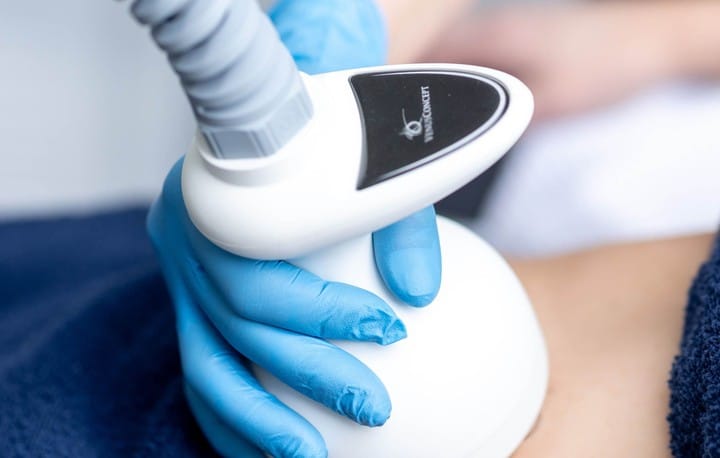
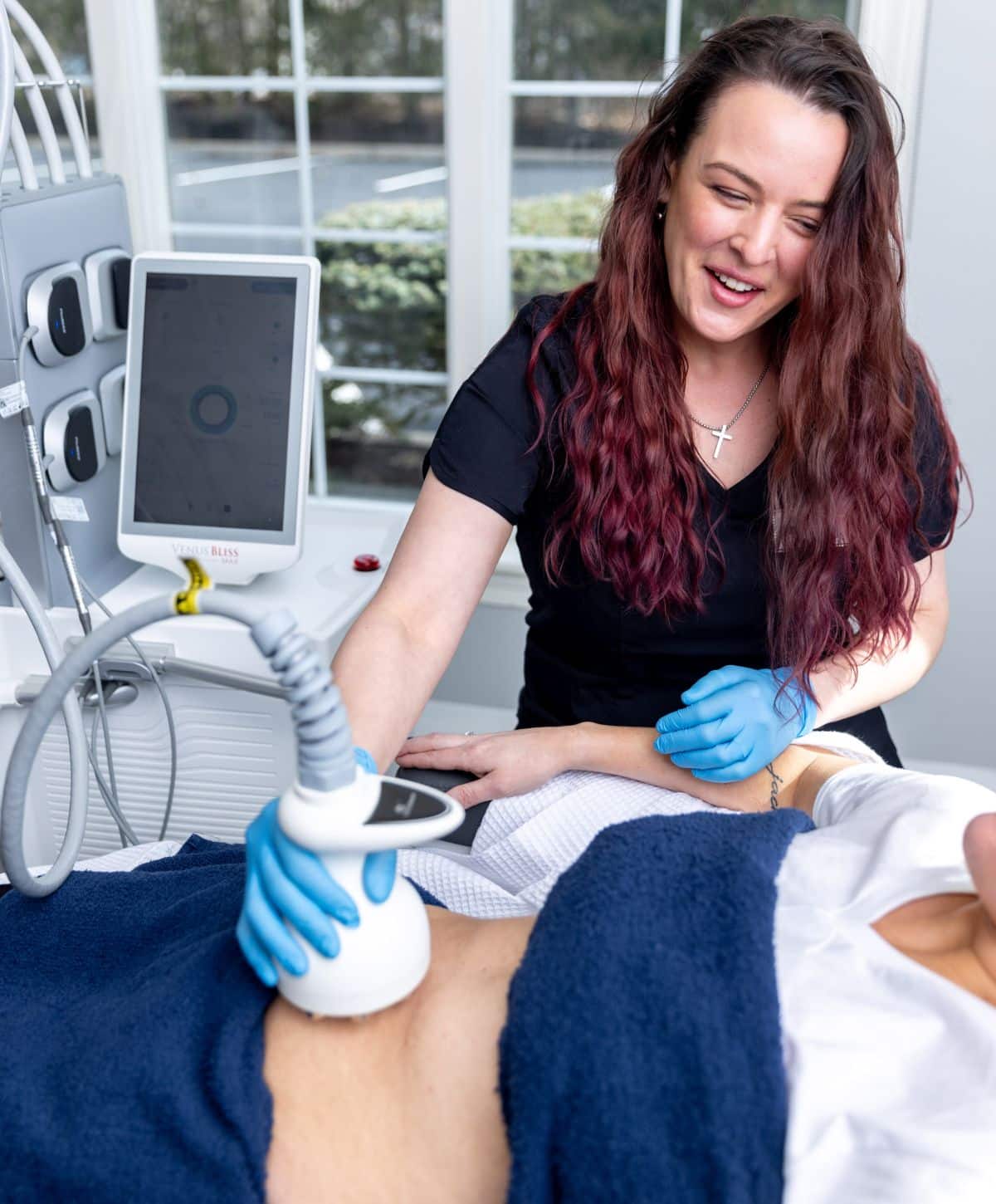
The specific procedure depends on the technology used. However, most skin-tightening treatments are minimally invasive and involve little discomfort. Your H2T provider will discuss your goals during your consultation and recommend the most suitable approach. The treatment typically involves using the Venus MP2 handheld device on the targeted area to deliver energy that stimulates collagen production. Most sessions take 30-60 minutes.
Transform Your Face and Body
What conditions does skin tightening address?
Skin tightening effectively addresses various signs of aging, including:
- Sagging skin on the face, neck, jowls, and jawline
- Fine lines and wrinkles around the eyes, mouth, and forehead
- Loss of facial definition
- Crepey skin on the body, such as the arms, abdomen, and thighs
From Loose to Lifted
What areas of the body can skin tightening address?
Skin tightening treatments can be used on various areas of the face and body, including:
- Face and neck
- Jowls and jawline
- Arms
- Abdomen
- Thighs

Non-Surgical Options for Tighter Skin
What are the benefits of non-surgical skin tightening?
Younger-looking skin: Visibly reduces wrinkles and tightens loose skin, creating a more youthful appearance.
Improved facial definition: Restore a defined jawline and sharper facial contours for a more sculpted look.
Non-surgical and minimally invasive: Avoid surgery with a comfortable and convenient outpatient procedure.
Minimal downtime: Get back to your daily routine quickly.
Long-lasting results: Enjoy tighter, smoother skin for years with proper maintenance.
Look Younger on Your Terms
Am I a candidate for skin tightening?
Non-surgical skin tightening is a safe and effective option for most healthy adults who want to address loose skin and wrinkles. During a consultation at H2T, your provider will assess your skin, discuss your goals, and determine which skin-tightening procedure is the appropriate treatment for you.
Little to No Downtime
Skin tightening recovery
Non-surgical skin tightening typically requires minimal downtime. After treatment, you may experience mild redness or swelling, which usually subsides within a few days. Following your provider’s aftercare instructions will optimize your treatment results.

Long-Term Sculpted Look
Skin tightening results
You can expect gradual improvement in your skin’s tightness and firmness within a few weeks of your initial non-surgical skin-tightening treatment. Different procedures have varying lifespans for their effects. Radiofrequency and laser treatments can last 1 to 3 years, while some suture thread lifts may last only 6 to 18 months. You can enjoy long-lasting results lasting for several years with proper skin care and sun protection.